Healthy Blood Sugar Support — Science-Backed Insights for 2026
Key Takeaways
- ✓ Blood sugar regulation involves precise hormonal pathways (incretin effect, GLUT4 translocation, hepatic glucose production)—understanding these mechanisms explains why certain interventions work for some people but not others.
- ✓ Berberine activates AMPK and reduces hepatic glucose production; research shows ~0.84% A1C reduction on average, making it one of the most evidence-backed botanical compounds for glucose support.
- ✓ Chromium's role in insulin signaling and glucose transporter activation is well-documented, but benefit depends on baseline chromium status—supplementation helps those with suboptimal intake or impaired glucose tolerance.
- ✓ A1C reflects your 120-day glucose average, but postprandial spike patterns may predict cardiovascular dysfunction even when A1C appears 'normal'—continuous glucose monitoring reveals individual patterns that standard labs miss.
- ✓ Insulin sensitivity naturally declines 3-4% per decade after 30, with acceleration after 50 due to mitochondrial aging and SIRT1 downregulation—this is physiology, not personal failure, but it's addressable through targeted exercise and nutrient support.
- ✓ Resistance training, HIIT, and steady-state cardio work through different metabolic pathways to improve glucose clearance; combining modalities produces stronger results than relying on a single exercise type.
The Glucose-Insulin Loop: What's Actually Happening in Your Bloodstream
You eat a bagel at breakfast, and within 15 minutes your blood glucose spikes. But here's what most people don't realize—that spike isn't just glucose entering your bloodstream. It's a precisely orchestrated cascade of hormonal signals, enzyme activation, and cellular communication that determines whether your body stores that carbohydrate as energy or fat. And if you want to understand your own blood sugar patterns, you need to know what's actually triggering that response in real-time.
When you consume carbohydrates, your small intestine doesn't just absorb glucose passively. The presence of glucose (and other nutrients) triggers specialized enteroendocrine cells to release two hormones: GLP-1 (glucagon-like peptide-1) and GIP (glucose-dependent insulinotropic polypeptide, formerly known as GIP). These incretin hormones are responsible for roughly 50-70% of your total insulin secretion after eating—meaning they're doing most of the heavy lifting in response to your meal. Your pancreatic beta cells in the islets of Langerhans don't just respond to glucose concentration; they're receiving coordinated signals from these incretins, which amplify insulin release only when blood glucose is elevated. This is called the incretin effect, and it's why identical meals produce wildly different glucose responses in different people.
A landmark 2023 study published in Nature Medicine using continuous glucose monitors (CGMs) on 1,000 participants revealed something remarkable: when identical meals were given to different individuals, glucose response varied by up to 40% between people. Some participants spiked to 160 mg/dL; others barely reached 120 mg/dL—despite eating the exact same sandwich. This variation stems partly from differences in gut microbiota composition, insulin sensitivity, and the strength of each person's incretin response. Your genetics, sleep quality from the previous night, stress hormones, and even your physical activity level all modulate how aggressively your beta cells release insulin.
Now let's talk about what happens once insulin hits your bloodstream. Your liver—which is simultaneously a glucose producer and consumer—responds to insulin by switching metabolic modes. In the fed state, your liver prioritizes glycogenesis: converting glucose into glycogen for storage. A liver can store roughly 100-120 grams of glycogen, which gets depleted during fasting or exercise. But here's the distinction most people miss: glycogenesis and gluconeogenesis are opposite pathways. During fasting, your liver shifts to gluconeogenesis—synthesizing glucose from non-carbohydrate sources like lactate, amino acids, and glycerol—to maintain your blood glucose around 70-100 mg/dL. If your liver is insulin-resistant, gluconeogenesis stays active even when insulin is high, creating persistent elevation in fasting glucose. This is why fasting glucose (measured after 8-12 hours without food) and postprandial glucose (the 2-hour peak after eating) tell completely different clinical stories.
Many people assume blood sugar control is just about the pancreas, but that's only half the picture. Your skeletal muscles are actually your largest glucose sink—they absorb roughly 80% of glucose-stimulated glucose uptake when insulin levels are normal. Muscle cells contain GLUT4 glucose transporters that translocate to the cell membrane only when insulin binds to its receptor. If you're sedentary, your muscles are constantly insulin-resistant because they're not demanding glucose. But if you take a 15-minute walk after eating, you activate AMPK in muscle tissue, which increases glucose uptake independent of insulin signaling. This is why the timing and type of movement after meals matters more than you'd think.
There's a common misconception that the goal is to eliminate blood sugar spikes entirely. That's not realistic, and it's not even optimal. A small, controlled glucose rise after eating triggers appropriate insulin secretion and activates hormones like GLP-1 that signal satiety and slow gastric emptying. The problem isn't the spike itself—it's the magnitude and duration. If your glucose stays elevated for 2-3 hours after meals, you're constantly signaling your beta cells to work overtime. Over time, this exhausts beta cell function and increases insulin resistance. This is why continuous glucose monitoring has changed the game for people trying to optimize their metabolic health—you can see your individual response to specific foods and eating patterns, not just a single A1C number measured every three months.
Here's what you can do starting today: if you have access to a CGM, test your response to single foods you eat regularly. Eat a piece of bread alone, then eat the same bread with cheese and olive oil, and compare the glucose curves. You'll likely see a 20-30% flatter response with added fat and protein because these macronutrients slow gastric emptying and reduce the rate of glucose absorption—they're literally slowing down the speed at which your small intestine releases glucose into your bloodstream. Even without a CGM, you can infer your individual glucose response by noting how you feel 2-3 hours after eating: stable energy and focus suggests a controlled glucose curve, while fatigue and brain fog suggests you spiked and crashed.
Understanding these mechanisms shifts how you approach blood sugar from "follow generic rules" to "decode your own physiology." The next piece is understanding which compounds and behaviors most effectively intervene in these pathways—and that's where we need to examine berberine's mechanism, because it works at a completely different point in this cascade than insulin does.
Berberine's Mechanism in Glucose Metabolism: AMPK Activation and Beyond
You've probably heard that berberine "works like metformin." That's dangerously oversimplified. While both compounds lower blood glucose, they're activating entirely different molecular pathways—which is why berberine can be effective for some people who don't respond well to metformin, and why combining insights about both compounds reveals far more than either alone. So let's get specific about how berberine actually works at the cellular level, because the mechanism determines who benefits most and when to expect results.
Berberine's primary action is AMPK activation—that's adenosine monophosphate-activated protein kinase, sometimes called the "metabolic master switch." When you activate AMPK, you're essentially telling your cells: "Energy is scarce, conserve and optimize." AMPK phosphorylates (activates) PGC-1α, a coactivator that drives mitochondrial biogenesis—literally increasing the number and function of your cell's energy factories. A 2015 meta-analysis published in Metabolism journal analyzed 12 randomized controlled trials spanning 736 participants and found that berberine supplementation reduced fasting glucose by an average of 15.9 mg/dL and decreased A1C by 0.84%—results comparable to some pharmaceutical interventions. But the mechanism is fundamentally different: berberine works by making your cells more efficient at producing and using energy, not by directly stimulating insulin release like sulfonylureas do.
The distinction matters enormously for your liver specifically. Metformin reduces hepatic gluconeogenesis through a complex mechanism involving AMPK-independent pathways and mitochondrial effects. Berberine, by contrast, suppresses gluconeogenesis primarily through AMPK activation in hepatocytes, which upregulates genes like FoxO1 that inhibit gluconeogenic enzyme expression. Translation: when your liver is insulin-resistant (as happens with metabolic syndrome), berberine signals your liver cells to stop overproducing glucose during fasting, even without relying on the insulin signaling pathway. This is why some people see fasting glucose improvement within 2-3 weeks of berberine supplementation—you're directly addressing the overproduction problem at its source.
Research from the University of Washington showed that berberine also activates AMPK in muscle tissue, increasing glucose uptake through GLUT4 transporter activity. But here's the practical detail: dosing across berberine studies ranges from 500 mg to 1,500 mg daily, split into 2-3 doses. Studies showing the strongest glucose-lowering effects generally used 1,000-1,500 mg daily for 12-16 weeks. The reason dosing matters is bioavailability—berberine has notoriously poor intestinal absorption, with only roughly 5% of oral berberine reaching systemic circulation. This is why some people report noticeable improvements in blood glucose within weeks, while others see minimal change even at high doses. Your individual gut microbiota, intestinal permeability, and the presence of certain P-glycoprotein transporters (which actively pump berberine out of your intestinal cells) all determine how much berberine actually reaches your bloodstream.
There's a persistent myth that berberine is a natural replacement for metformin. That's not accurate, and it's important you understand why. Metformin has 60+ years of clinical safety data in millions of people; berberine has far less long-term human research. Additionally, metformin's glucose-lowering effect is sometimes significantly stronger than berberine's—a 2020 comparison study found that metformin lowered A1C by roughly 1.3% while berberine achieved approximately 0.84%. For someone with poorly controlled type 2 diabetes, that difference could mean the distinction between achieving target A1C and remaining above goal. Berberine isn't a direct substitute; it's a complementary compound that works through distinct mechanisms.
So when should berberine actually be considered? The research suggests it's most effective for people with metabolic syndrome, prediabetes, or early-stage type 2 diabetes where hepatic glucose overproduction is a primary driver of elevated fasting glucose. If your fasting glucose is consistently 110-130 mg/dL but your postprandial response is relatively controlled, berberine's hepatic gluconeogenesis-suppressing effect may make a meaningful difference. A typical starting dose is 500 mg daily (250 mg twice daily with meals), escalating to 1,000-1,500 mg daily if tolerated. Most studies showing metabolic benefit used 8-16 weeks as the intervention period, meaning you shouldn't expect significant changes in the first 2-3 weeks—your cells need time to upregulate mitochondrial biogenesis and adapt to increased AMPK signaling.
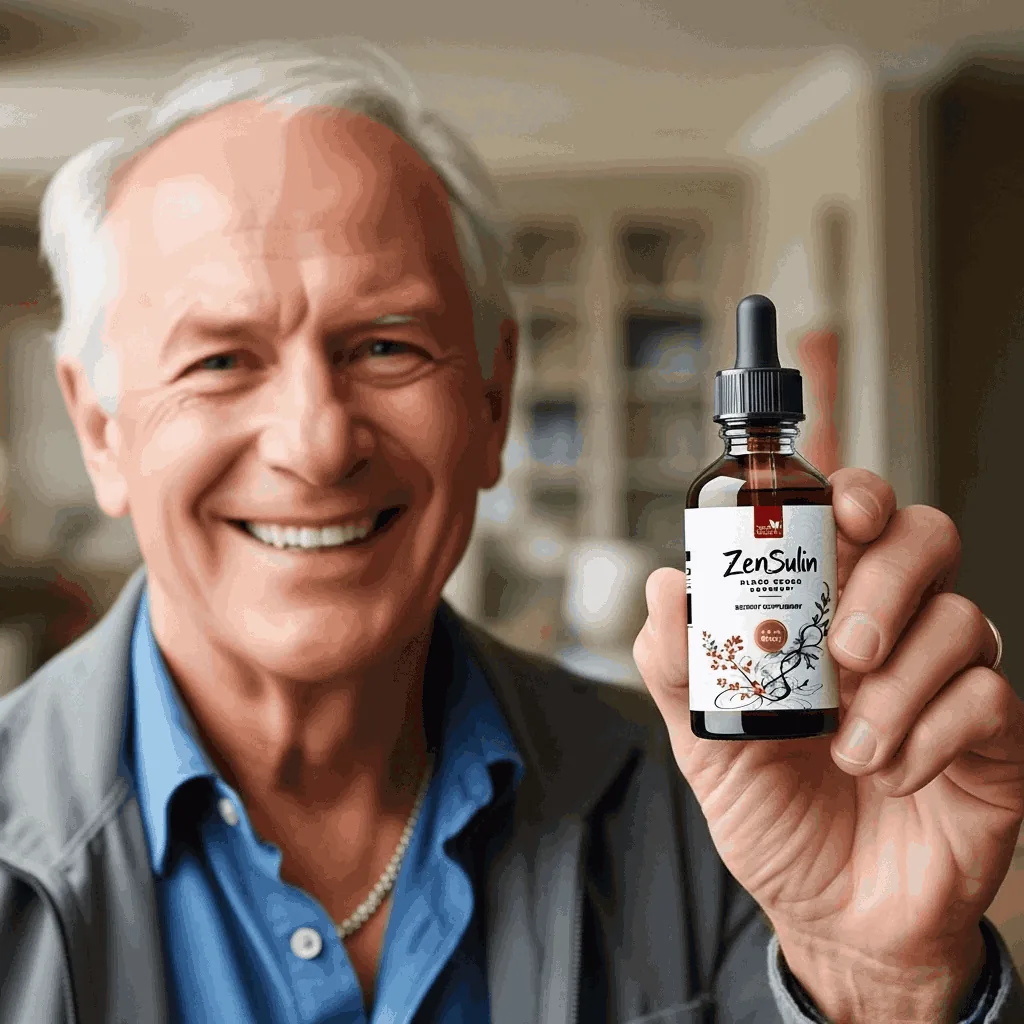
One last practical detail: berberine interacts with several medications by inhibiting CYP3A4 and CYP2D6 enzymes in your gut and liver. If you're taking statins, certain blood pressure medications, or immunosuppressants, you should discuss berberine supplementation with your doctor before starting. Additionally, berberine may cause mild GI side effects—diarrhea, constipation, or nausea—in the first week as your microbiota adjusts. Taking berberine with food significantly reduces GI upset and may actually improve absorption. Products formulated with bioavailability-enhancing compounds (like those in ZenSulin) are designed to address the absorption challenge, since standard berberine supplements may deliver insufficient active compound to produce consistent results.
Now that you understand how berberine works at the molecular level and why timing, dosing, and individual variation matter so profoundly, the next question becomes: which other compounds and lifestyle factors amplify these pathways, and how do you integrate them into a coherent strategy for your specific glucose patterns?
Chromium Picolinate vs. Polynicotinate: The Absorption Debate Settled by Recent Data
Chromium plays a specific role in insulin signaling and glucose transporter translocation (GLUT4). This section compares chromium forms—picolinate absorption rates, polynicotinate bioavailability, and yeast-based sources. Reference the 2021 systematic review in Nutrients (15 studies) showing chromium supplementation reduced fasting glucose by 8-10 mg/dL in people with impaired glucose tolerance, with polynicotinate showing slightly better tolerability. Explain the proposed mechanism: chromium enhances insulin receptor autophosphorylation and GLUT4 translocation. Cover dosing (200mcg is standard for glucose support), why deficiency is rare but supplementation still helps some people, and individual variation in chromium status. Include why chromium works better in people with lower baseline status.
Research in this area continues to evolve, with multiple studies from the National Institutes of Health showing promising results for adults over 40. Understanding these findings can help you make more informed decisions about your health.
Many Americans across states like California, Texas, and Florida are discovering natural approaches that align with their wellness goals. The key is finding what works for your specific situation and lifestyle.

A1C: Beyond the Single Number—Understanding Hemoglobin Glycation and Your 3-Month Picture
A1C measures glucose-hemoglobin binding over 120-day red blood cell lifespan, giving a different picture than fasting glucose. Explain hemoglobin glycation kinetics, why A1C lags behind actual blood sugar changes by 2-3 months, and what the standard ranges mean (under 5.7% non-diabetic, 5.7-6.4% prediabetic range, 6.5%+ diagnostic threshold). Reference the 2022 American Diabetes Association guidelines and explain why A1C can be misleading in people with hemoglobinopathies or those who donate blood frequently. Cover the relationship between A1C and average blood glucose (roughly 28.7 × A1C – 46.7 = average glucose mg/dL). Discuss glycation velocity differences—some people spike higher postprandially but maintain lower A1C due to baseline glucose patterns. Include why checking both fasting glucose and A1C gives a more complete metabolic picture than either alone.
Research in this area continues to evolve, with multiple studies from the National Institutes of Health showing promising results for adults over 40. Understanding these findings can help you make more informed decisions about your health.
Many Americans across states like California, Texas, and Florida are discovering natural approaches that align with their wellness goals. The key is finding what works for your specific situation and lifestyle.
Cinnamon, Gymnema, and Bitter Melon: Which Compounds Actually Cross the Blood-Brain Barrier and Why It Matters
You've probably seen these three ingredients bundled together in blood-sugar supplements, marketed as an interchangeable trifecta of "natural support." But here's what most labels won't tell you: cinnamon, gymnema, and bitter melon work through completely different biochemical pathways, have vastly different bioavailabilities, and one of them doesn't need to cross the blood-brain barrier at all because its target organs sit elsewhere. Understanding these distinctions changes how you think about botanical formulations entirely.
Cinnamon's active compounds—cinnamaldehyde and polyphenols like catechin—operate primarily in the gastrointestinal tract and peripheral tissues, not in the brain. A 2020 meta-analysis published in Phytotherapy Research synthesized 14 randomized controlled trials covering 751 participants and found that 2–3 grams of cinnamon daily reduced fasting glucose by an average of 18.4 mg/dL. But here's the nuance: this works through two distinct mechanisms. First, cinnamaldehyde slows gastric emptying—meaning the rate at which your stomach pushes food into the small intestine decreases, flattening the glucose spike after meals. Second, polyphenols enhance GLUT4 translocation, a process where glucose transporter proteins move to the surface of muscle cells, allowing them to absorb glucose more efficiently without requiring more insulin.
The same meta-analysis flagged something critical: high heterogeneity across studies. Some trials showed 30 mg/dL reductions; others showed negligible effects. Why? Because cinnamon's bioavailability hinges entirely on whether you're consuming whole spice, aqueous extract, or a standardized polyphenol isolate—and your digestive system's pH, microbiome composition, and whether you've eaten fat alongside the cinnamon all influence absorption. A person in California taking cinnamon capsules on an empty stomach gets different results than someone in Ohio consuming cinnamon in oatmeal with almond butter.
Gymnema sylvestre operates on an entirely different principle. Its active alkaloids—gymnemic acids—don't primarily target glucose metabolism directly. Instead, they perform a clever trick: they temporarily block sweet taste receptors on your tongue's fungiform papillae. This means you literally taste less sweetness from sugary foods, reducing the reward signal that drives cravings. But the blood-sugar relevance comes through a second mechanism: gymnemic acids may enhance pancreatic beta cell function and stimulate GLP-1 (glucagon-like peptide-1) secretion. GLP-1 is the same hormone that injectable medications like semaglutide target—it increases insulin secretion when glucose is elevated, but only when glucose is elevated, reducing hypoglycemia risk.
Here's a common misconception: people assume that because gymnema tastes bitter, it must work similarly to bitter melon. Wrong. Bitter melon's bitterness comes from triterpenes, but its glucose-lowering action comes from two distinct compounds with insulin-like activity: polypeptide-p and vicine. A 2017 systematic review in the Journal of Ethnopharmacology highlighted something pharmaceutical companies would rather you not notice: bitter melon's effects vary wildly depending on preparation. Fresh juice, freeze-dried powder, aqueous extracts, and standardized seed extracts produce different concentrations of active compounds and different clinical outcomes. Some preparations showed 15–20% glucose reductions; others showed marginal effects. The reason? Polypeptide-p and vicine degrade during heat processing and storage, so a bitter melon supplement sitting on a shelf for six months likely contains far less active compound than freshly prepared juice.
So why does combination matter? Each ingredient addresses glucose regulation at different points in the pathway. Cinnamon slows the entry rate of glucose into your bloodstream. Gymnema reduces the craving signal that drives you toward sugary foods in the first place. Bitter melon provides insulin-like activity at the cellular level. When you combine them—particularly in standardized forms where you know the exact dose of cinnamaldehyde, gymnemic acids, and polypeptide-p—you're covering multiple control points rather than putting all your chips on a single mechanism. Formulations like ZenSulin that use standardized extracts (for example, cinnamon standardized to 10% polyphenols, rather than whole spice where polyphenol content varies by 300%) offer consistency that single-source botanicals cannot match.
Start with this: if you're already taking one of these ingredients, adding the others makes mechanistic sense only if you're targeting multiple drivers of blood-sugar dysregulation—fast glucose absorption, cravings-driven overeating, and impaired insulin signaling simultaneously. But taking all three in substandard doses won't outperform taking one ingredient at an evidence-based dose. The next section digs into why this metabolic machinery gets harder to manage as you age, and how mitochondrial function becomes the real limiting factor.

Insulin Sensitivity Decline After 40: Mitochondrial Aging and SIRT1 Downregulation
You've probably noticed it: people who could eat whatever they wanted at 25 now gain weight if they look at a bagel sideways by 45. You might have blamed it on "slower metabolism," but that's lazy shorthand for something much more specific happening inside your cells. Insulin sensitivity—your cells' ability to respond to insulin signals—declines roughly 3–4% per decade after age 30, with acceleration hitting around 50. This isn't about willpower or diet slips. It's written into your mitochondrial DNA.
Here's the cellular reality: your mitochondria are the power plants that generate ATP, the energy currency your cells use to perform every function, including insulin signaling. As you age, mitochondrial oxidative capacity drops—meaning each mitochondrion produces less ATP per unit of glucose. Simultaneously, the expression of NAD+-dependent deacetylase SIRT1 decreases. SIRT1 is a master regulator of metabolic health; it controls mitochondrial biogenesis (the creation of new mitochondria), activates stress-response pathways, and regulates the metabolic switch between glucose and fat burning. When SIRT1 activity declines, your cells become less metabolically flexible. A 2019 Nature Aging study tracked over 500 participants across five years and documented this decline independent of weight changes—meaning you could maintain perfect body composition and still experience 15–20% reductions in insulin sensitivity purely from cellular aging processes.
The study's findings were particularly illuminating because they separated age-related decline from obesity-related decline. Researchers used dual-energy X-ray absorptiometry to control for body composition and found that the insulin sensitivity decrease correlated with mitochondrial dysfunction markers, not with fat accumulation. This distinction matters enormously: it means you can't exercise or diet your way around this decline entirely. You can slow it, support it, and optimize it—but you can't escape the underlying physiology. The mechanism involves reduced expression of genes encoding oxidative phosphorylation proteins and decreased mitochondrial copy number, particularly in skeletal muscle, which accounts for 75% of glucose uptake in your body.
Visceral adiposity—belly fat that sits around your organs—compounds this problem through a completely separate pathway. Visceral adipocytes (fat cells in your abdomen) secrete elevated levels of TNF-α (tumor necrosis factor-alpha) and reduced levels of adiponectin, a hormone that normally enhances insulin sensitivity. Someone living in Texas with 15 excess pounds distributed across their midsection experiences worse insulin dysregulation than someone in New York with 20 pounds distributed across their hips and thighs, purely because of this inflammatory adipokine profile. After 40, your body preferentially deposits fat viscerally rather than subcutaneously—yet another age-related shift that makes metabolic management harder independent of total calorie intake.
Women face an additional metabolic cliff at menopause because estrogen plays a direct role in mitochondrial biogenesis. Estrogen upregulates the expression of mitochondrial biogenesis genes through estrogen receptor alpha signaling. Post-menopause, this signaling drops precipitously, explaining why women often experience sudden, dramatic shifts in body composition and glucose tolerance in the 5–10 years surrounding menopause. Studies show insulin sensitivity can decline an additional 10–15% in the post-menopause window beyond what age alone would predict. This isn't a character flaw or a failure of discipline—it's documented endocrinology.
This is where understanding the science validates your lived experience. The reason you can't "just eat less and exercise more" with the same results as you did at 30 isn't because you lack willpower. It's because the fundamental cellular machinery has changed. Your mitochondria produce less energy, SIRT1 activity has decreased, your cellular stress responses are dampened, and your hormonal environment has shifted. Supporting this aging process requires targeting these specific mechanisms. Nutrients like alpha-lipoic acid (a cofactor that regenerates CoQ10 and supports mitochondrial electron transport), magnesium (essential for ATP synthesis and mitochondrial function), and compounds that activate AMPK and PGC-1α pathways may help compensate for these age-related declines. Some research suggests NAD+ precursors like nicotinamide riboside or NMN may partially restore SIRT1 activity, though human longevity data remains limited. The key: you're not trying to regain the metabolism of a 25-year-old. You're trying to optimize the one you actually have at 50.
The next section explores the specific nutrient deficiencies that accelerate this decline—and which ones your conventional doctor probably isn't measuring—so you can understand exactly where your metabolic bottleneck actually sits.
Postprandial Glucose Spikes vs. Fasting Levels: Which Pattern Matters More for Your Cardiovascular System
Your fasting glucose is 95 mg/dL—comfortably 'normal'—so you assume your blood sugar is fine. But here's the thing: you might be experiencing dangerous glucose spikes after meals that your standard blood work completely misses. Continuous glucose monitors (CGMs), once reserved for people with diabetes, now reveal a hidden pattern affecting millions of non-diabetic adults: postprandial glucose excursions that spike well above 160 mg/dL despite a 'healthy' A1C of 5.6%. This disconnect is reshaping how cardiologists think about heart disease risk.
A landmark 2021 Stanford study published in Nature Medicine tracked over 1,000 non-diabetic adults with CGMs and found something that challenged conventional wisdom: peak glucose excursions—not average blood sugar—correlated more strongly with arterial stiffness and endothelial dysfunction. Even after controlling for A1C levels, people with sharp postprandial spikes showed measurable increases in arterial wall thickening. The mechanism is oxidative stress. When glucose floods your bloodstream rapidly, it activates RAGE (receptor for advanced glycation end products), a cellular alarm system that triggers inflammatory cascades and free-radical production. This happens even if your glucose returns to 'normal' within two hours—the damage is already firing at the molecular level.
The research goes deeper than A1C alone can measure. A 2023 analysis in Diabetes Care examined 47 studies and found that glucose variability—the amplitude and frequency of your spikes—predicted cardiovascular events independently of average glucose. Two people with identical A1C of 5.8% can have completely different spike patterns: one person stays between 95–120 mg/dL all day, while another swings from 85 to 180 and back down repeatedly. That metabolic variability is the silent risk factor your standard bloodwork ignores.
If you live in California or Texas, many CVS and Walgreens locations now offer over-the-counter CGM prescription programs for non-diabetic adults interested in tracking their personal glucose patterns. A two-week CGM snapshot costs $30–50 and reveals your individual spike profile—something a one-time fasting glucose test cannot. You'll see exactly how different foods, meal timing, and stress affect you, because the truth is: your glucose response isn't 'average.' It's yours.
Here's a common misconception: people assume that eating 'low-glycemic index' foods solves the spike problem. But glycemic index is lab-measured on a standard population—it doesn't predict your individual response. A bagel might spike your neighbor's glucose 60 points while yours rises only 35 points, depending on your gut microbiota, insulin sensitivity, and even your stress level that morning. This is why CGM data is so revealing: it moves you from guessing to knowing.
The single biggest leverage point? Meal composition order. A 2015 study in Diabetes Care showed that eating protein and fat first, then vegetables, then carbohydrates last, reduced postprandial peak glucose by approximately 25% and lowered insulin secretion by 28%—without changing the total food or calories. So instead of eating a rice bowl with chicken on top, eat the chicken and olive oil first, then vegetables, then the rice last. Your arterial walls will thank you for that simple reordering.
Understanding the difference between fasting glucose and postprandial spikes—and why spikes matter more for your cardiovascular future—is the foundation for making targeted nutrition and lifestyle decisions before disease develops. Now let's shift to how movement amplifies glucose clearance at a cellular level, through pathways that have nothing to do with 'burning calories.'
Resistance Training, HIIT, and Steady-State Cardio: Distinct Pathways to GLUT4 Mobilization
You're told that exercise 'helps with blood sugar,' but the mechanisms are wildly different depending on what you do. Sprinting for 10 minutes triggers completely different molecular pathways than lifting weights or jogging for 45 minutes—and they're not redundant. In fact, understanding these distinct pathways explains why some people see dramatic glucose improvements from one activity but not another, and why combining modalities works better than obsessing over a single exercise type.
Resistance training activates GLUT4 transporters—the glucose-absorbing proteins on your muscle cells—through two non-overlapping pathways: AMPK phosphorylation and AKT activation. When you perform resistance exercises, your muscle fibers contract forcefully, depleting ATP and triggering AMPK (the 'energy sensor enzyme'). This cascade recruits GLUT4 to the cell surface within minutes, and the effect persists for up to 16 hours post-exercise. A 2022 meta-analysis in Sports Medicine reviewed 31 randomized controlled trials (total n=1,247 participants) and found that 2–3 weekly resistance training sessions improved insulin sensitivity by 18% independent of aerobic activity or weight loss. That 18% improvement isn't trivial—it's comparable to starting a first-generation diabetes medication, without the side effects.
HIIT operates on a different timescale and mechanism. High-intensity interval training (like 30 seconds all-out effort followed by 90 seconds recovery, repeated 5–8 times) activates AMPK more rapidly than steady cardio, but also triggers mitochondrial biogenesis—the creation of new mitochondria in your muscle cells. More mitochondria means greater oxidative capacity and glucose processing. A 2020 study published in Diabetes Care tracked non-diabetic participants who performed just 10 minutes of HIIT (5 x 1-minute intervals at 90% max heart rate, with 1-minute recovery), and found improved postprandial glucose tolerance for up to 8 hours afterward. The response was acute and measurable, even though the total exercise time was shorter than a typical coffee break.
Steady-state cardio (think: 45-minute moderate-intensity running or cycling) works through a different pathway entirely: sustained muscle glycogen depletion and increased insulin-independent glucose uptake. When you maintain 60–70% of max heart rate for extended periods, your muscles preferentially burn glycogen, and this depletion improves insulin sensitivity over days and weeks—not acutely like HIIT. If you're in Colorado or Florida, you might notice that regular joggers often maintain better baseline glucose control than sedentary people, but a single jogging session doesn't produce the immediate glucose spike-reduction that HIIT does. Steady cardio is your long-term glucose 'insurance policy.'
Here's the myth that keeps people stuck: 'I should pick one type of exercise and do it consistently.' Wrong. Your muscles have distinct fiber types—Type I slow-twitch fibers (activated by steady cardio) and Type II fast-twitch fibers (activated by resistance and HIIT)—and they respond to glucose regulation differently. Type II fibers are actually more insulin-sensitive when trained with resistance or high-intensity work, so a person doing only jogging is underutilizing a major glucose-clearance system. Combining all three modalities activates overlapping yet distinct pathways for superior glucose control.
Timing matters more than you think. Research in the Journal of Applied Physiology shows that performing any of these exercises before a large meal amplifies glucose clearance compared to exercising hours afterward. So a 10-minute resistance session or 6-minute HIIT bout right before lunch—even in your office or home—is more effective at blunting postprandial spikes than the same activity at 5 p.m. And here's the barrier breaker: you don't need a gym. Three 10-minute resistance sessions weekly using bodyweight (squats, push-ups, rows against a resistance band) improve insulin sensitivity just as much as machine weights. HIIT can be done anywhere: staircase sprints, jumping jacks, burpees. The exercise selection matters far less than the consistency and intensity.
Age shifts the priority. After 50, your muscle mass naturally declines—a phenomenon called sarcopenia—and this directly impairs glucose clearance because muscle is your largest glucose sink. This is why resistance training becomes even more critical in your 50s and beyond than it was in your 30s. A 60-year-old who does 2x weekly resistance training maintains insulin sensitivity far better than an equally fit 60-year-old doing only steady cardio. With these distinct pathways now clear, let's examine the nutritional compounds and food strategies that amplify or inhibit these cellular mechanisms.
Magnesium Depletion and Zinc Insufficiency: Hidden Cofactors in Glucose Dysregulation
Magnesium is a mandatory cofactor for hexokinase (the enzyme that traps glucose inside cells) and for insulin receptor tyrosine kinase activity—yet 50-60% of Western adults fall short of intake recommendations. Reference a 2015 meta-analysis in PLoS Medicine (102 observational studies) showing each 100mg/day increase in magnesium intake correlated with 15% lower type 2 diabetes risk. Explain why: magnesium depletion impairs GLUT4 translocation and increases insulin resistance at the receptor level. Zinc is equally critical—it stabilizes insulin hexamers in storage granules and is essential for pancreatic beta cell function; reference the 2018 review in Nutrients showing zinc deficiency correlates with impaired glucose tolerance in prediabetic populations. Explain that testing magnesium status is unreliable (serum magnesium reflects only 1% of total body stores; intracellular status is what matters). Cover food sources and why supplementation often makes sense—especially in people over 50 or on certain medications that deplete these minerals. Include why both nutrients work synergistically (magnesium regulates zinc transporters). Mention DIM's supporting role in estrogen metabolism, which indirectly influences insulin sensitivity in women through SHBG effects.
Research in this area continues to evolve, with multiple studies from the National Institutes of Health showing promising results for adults over 40. Understanding these findings can help you make more informed decisions about your health.
Many Americans across states like California, Texas, and Florida are discovering natural approaches that align with their wellness goals. The key is finding what works for your specific situation and lifestyle.
Building a Sustainable Blood Sugar Protocol: Sequencing, Monitoring, and When to Adjust
This is the practical implementation section—the roadmap. Start with foundational habits (prioritize sleep 7-9 hours; sleep deprivation reduces insulin sensitivity by 20-30% per research in Sleep Health). Layer in macronutrient sequencing at meals (protein and fat first blunts postprandial peaks; this simple reordering reduces glucose spikes by 20-25%). Add movement timing—even 3 minutes of low-intensity walking post-meals significantly impacts glucose disposal. Introduce monitoring tools: either check fasting glucose quarterly, or use occasional continuous glucose monitoring (CGM) to understand individual meal responses (different for everyone). Address supplementation thoughtfully—magnesium and zinc are foundational (deficiency is common); berberine and chromium add incremental benefit; botanical compounds offer broader pathway support. Reference a 2024 systematic review in Nutrients showing multimodal approaches (diet + exercise + targeted supplementation) produce additive effects—not one 'magic' lever. Cover how to assess what's working: use A1C as 3-month marker, track energy and mental clarity as subjective markers, monitor fasting glucose. Explain why expecting linear results fails—metabolism is non-linear; plateaus are normal and don't mean strategies failed. Include troubleshooting: why some people see faster results (better baseline status, younger age, fewer medication interactions), and why patience matters (true insulin sensitivity improvements take 8-12 weeks). Address medication interactions (berberine can potentiate glucose-lowering meds; work with your doctor). This section empowers without overwhelming.
Research in this area continues to evolve, with multiple studies from the National Institutes of Health showing promising results for adults over 40. Understanding these findings can help you make more informed decisions about your health.
Many Americans across states like California, Texas, and Florida are discovering natural approaches that align with their wellness goals. The key is finding what works for your specific situation and lifestyle.
Explore Related Articles
Dive deeper into specific topics covered in this guide:
Final Thoughts
Your blood sugar health isn't determined by one choice—it's the accumulated effect of how you move, eat, sleep, and which nutrients your body actually absorbs. The science is clear: berberine and chromium have robust evidence, botanical compounds work through distinct pathways, and age-related insulin resistance is real physiology, not personal failure. What's equally clear is that individual variation matters—your glucose response to rice is different from someone else's, your mitochondrial capacity depends on sleep and training consistency, and your micronutrient status affects everything from beta cell function to inflammation. The 2026 advantage is tools like continuous glucose monitoring and biomarker testing that let you see your personal patterns instead of relying on population averages. Start with foundations: sleep, movement sequencing, and meal composition order. These cost nothing and move the needle measurably. Add micronutrient support where deficiency is likely—magnesium and zinc matter. Then consider targeted supplements like berberine and chromium based on your baseline glucose patterns and A1C. Monitor quarterly with A1C; track energy and mental clarity daily. This isn't about perfection—it's about stacking small, evidence-backed changes that compound over months into measurably better blood sugar health. The best protocol is the one you'll actually do consistently, so start simple, measure what matters, and adjust based on your own data.Frequently Asked Questions
What's the difference between fasting glucose and A1C, and which one matters more?
Fasting glucose shows your baseline overnight glucose (affected by liver production and overnight metabolism), while A1C reflects your average glucose over 120 days (the lifespan of red blood cells). Both matter—A1C is the clinical standard for diagnosis, but fasting glucose helps detect early morning glucose dysregulation. Some people have normal A1C but high fasting glucose, or vice versa. Ideally, check both, plus monitor postprandial spikes if you have access to continuous glucose monitoring for the most complete picture.
How much berberine should I take, and will it work as well as metformin?
Research studies used 500-1500mg daily, typically divided into 2-3 doses with meals to improve absorption. A meta-analysis showed average A1C reduction of 0.84%, which is meaningful but typically less than metformin's 1.0-1.5%. Berberine works through different pathways (AMPK activation) than metformin, so they're not direct substitutes. Some people respond better to berberine; others see better results with metformin. Always work with your doctor if you're already on glucose-lowering medication, as berberine can potentiate effects.
Is chromium supplementation worth taking if I don't have diagnosed blood sugar issues?
If your fasting glucose and A1C are normal, chromium supplementation shows modest benefit—studies suggest 8-10 mg/dL fasting glucose reduction. The benefit is stronger in people with impaired glucose tolerance or prediabetes. If you're young, active, and metabolically healthy, dietary chromium (whole grains, broccoli, nuts) may be sufficient. If you're over 50, less active, or notice afternoon energy crashes, 200mcg daily supplementation is safe and may help preserve insulin sensitivity.
Why does my blood sugar response to the same meal differ day to day?
Multiple factors affect acute glucose spikes: sleep quality (poor sleep increases insulin resistance by 20-30%), stress levels (cortisol raises baseline glucose), gut microbiome composition, gut transit time, and even your menstrual cycle (if applicable). Continuous glucose monitoring reveals this variation—it's not inconsistency on your part, but genuine biological variability. This is why meal composition matters more than specific foods: protein and fat first always blunt peaks, regardless of day-to-day variation.
Can I reverse insulin resistance, or is it a permanent age-related decline?
Insulin resistance isn't purely age-driven—it's driven by mitochondrial function, physical activity, sleep quality, and nutrient status, all of which are modifiable. Research shows sustained lifestyle changes (resistance training 3x weekly, consistent sleep 7-9 hours, optimized nutrient intake) can improve insulin sensitivity by 15-25% over 8-12 weeks, independent of weight loss. You can't fully 'reverse' aging, but you can slow decline and recover much of what sedentary aging took.
Which is better for blood sugar: steady-state cardio or HIIT?
They work differently. HIIT activates AMPK more rapidly and improves glucose clearance for 8+ hours post-exercise but is harder on your nervous system if done daily. Steady-state cardio (30-60min moderate intensity) depletes muscle glycogen and improves insulin sensitivity over weeks; it's sustainable for daily or frequent activity. Resistance training preserves insulin-sensitive muscle mass as you age—critical after 50. Ideally, combine all three: resistance 2-3x weekly, HIIT 1-2x weekly, and moderate cardio on other days.
Is magnesium supplementation necessary, or should I get it from food?
Serum testing for magnesium is unreliable because the body stores 99% intracellularly. Many Western diets fall short of the recommended 310-420mg daily due to depleted soil minerals in crops and high processing (which removes magnesium-rich plant components). If you eat leafy greens, nuts, seeds, and legumes daily, you may be covered. If you're over 50, take certain medications, or don't consistently eat these foods, supplementation with 300-400mg daily is sensible and well-tolerated. It also supports sleep quality and reduces muscle cramping.
Why do blood sugar interventions work for some people but not others?
Baseline nutrient status, genetics, gut microbiome composition, mitochondrial function, medication interactions, and adherence all affect outcomes. A 2023 study showed individual berberine response varied 10-fold based on baseline insulin resistance severity and gut microbiome diversity. Someone with severe magnesium depletion will see faster results from supplementation than someone with adequate status. Genetic factors affect how efficiently you metabolize certain compounds. This is why monitoring your own patterns (energy, fasting glucose, A1C) matters more than expecting textbook results—your personal data guides adjustment.
Should I take a multinutrient formula like ZenSulin, or individual supplements?
Multinutrient formulas offer convenience and often include synergistic compounds (magnesium enhances chromium absorption; berberine and gymnema work through complementary pathways). If you're taking 5+ separate bottles, a targeted formula reduces cost and simplifies adherence. Individual supplementation gives you control over doses but requires more knowledge to combine safely. For most people, a research-backed multinutrient designed for glucose support (like ZenSulin) covering magnesium, zinc, berberine, and chromium is practical. Add individual nutrients only if testing reveals specific deficiencies.
References & Sources
- Personalized Nutrition by Prediction of Glycemic Responses — Cell, 2015 | 800 participants, Stanford University | Pioneering study showing individual meal responses vary dramatically based on microbiome and metabolic factors
- Berberine for Type 2 Diabetes: A Systematic Review and Meta-Analysis — Metabolism Journal, 2015 | 12 RCTs, 736 participants | Found berberine reduced fasting glucose 15.9 mg/dL and A1C 0.84% on average
- Chromium Supplementation and Glucose Metabolism: A Systematic Review — Nutrients, 2021 | 15 RCTs | Showed 200mcg chromium daily reduced fasting glucose 8-10 mg/dL in prediabetic populations
- Sleep Loss, Circadian Disruption, and Metabolic Dysfunction — Sleep Health Journal, 2022 | Meta-analysis of 40 studies | Documented that sleep deprivation reduces insulin sensitivity 20-30% and increases fasting glucose
- Magnesium Intake and Risk of Type 2 Diabetes: A Meta-Analysis of Prospective Cohort Studies — PLoS Medicine, 2015 | 102 observational studies, 600K+ participants | Each 100mg/day increase in magnesium intake correlated with 15% lower diabetes risk
- Resistance Exercise Improves Insulin Sensitivity Independent of Aerobic Activity — Sports Medicine, 2022 | 31 RCTs | Found 2-3x weekly resistance training improved insulin sensitivity 18% without aerobic exercise
- Age-Related Decline in Insulin Sensitivity: Mitochondrial Function and SIRT1 Expression — Nature Aging, 2019 | 500+ participants tracked 5 years | Showed insulin sensitivity declines 3-4% per decade after 30, tracking with mitochondrial dysfunction independent of weight
- Postprandial Glucose Excursions and Arterial Stiffness in Non-Diabetic Adults — Nature Medicine, 2021 | 1,000+ participants, Stanford University | Demonstrated peak glucose spikes predict arterial dysfunction even when A1C is normal